Opinion
2025: A Year in Review
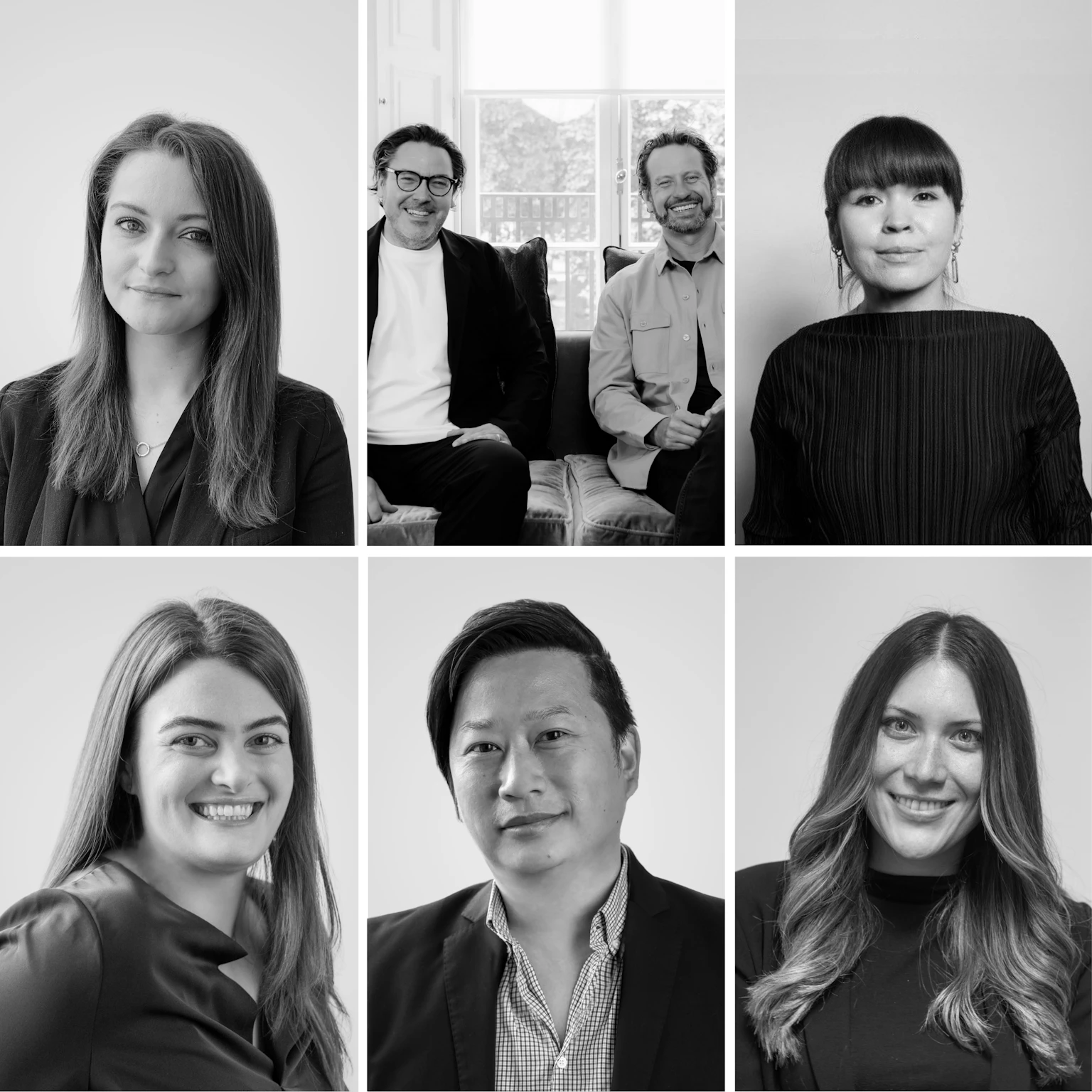
Insights from MAWD Founders and Senior Design Leadership on This Year’s Growth, Evolving Design Priorities and What Lies Ahead for 2026.
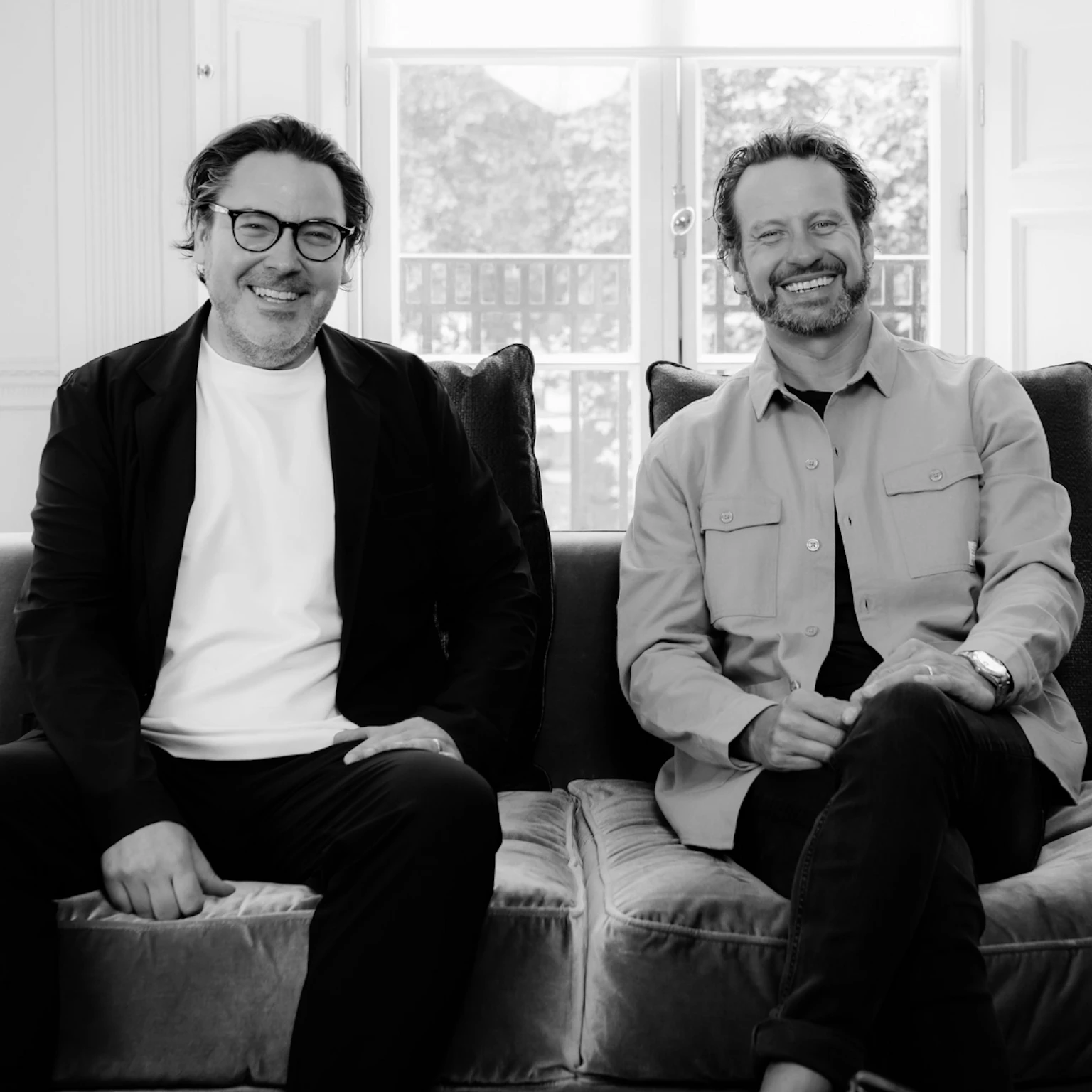
Where is MAWD | March and White Design heading in the upcoming year? How do you feel this movement is reflective of the design industry at large?
"This year has been one of the most significant for MAWD. Across our four global studios, we have expanded our hospitality and branded residential portfolio, taking on new work with operators such as The Ritz-Carlton, Mandarin Oriental and Cloud One - with more soon to be announced. It has also been just over a year since opening our Dubai studio, where our pipeline continues to accelerate across the region, alongside growth in our European territories, marked by the launch of our first concept architecture project in Belgrade with The Dorcol Residences.
As the industry moves further toward wellness, experience and hospitality-led living, our focus remains on creating design that is timeless, flexible and emotionally resonant. We continue to build environments backed by research and insight - places that not only respond to this moment, but endure well beyond it."
Elliot March & James White
MAWD Co-Founders

What does strong leadership look like in a global design studio, and how does leadership evolve and transform when you are working on projects of varying typologies (from branded residences to hotels, wellness spaces and even residential cruise ships) across different geographies?
"Strong leadership in a global design studio is about setting a clear creative vision while empowering teams to interpret project proposals with intelligence, technical know-how, and local insights. As typologies and geographies expand, leadership becomes more adaptive, shifting from directing design to orchestrating expertise, aligning diverse teams, and ultimately exceeding client expectations."
Shelley Baxter
Studio Lead, New York

This year MAWD has expanded its portfolio across multiple regions and sectors. How has this growth reshaped the way you lead design teams, and what new qualities of leadership have become essential in a studio operating at a truly global scale?
“2025 has been an exciting year for the London Studio. We have delivered design work across London, Europe, Asia, and the Middle East, spanning multiple sectors including hospitality, commercial projects, and architectural façade concepts for The Dorcol Residence. It’s been incredibly rewarding to apply our approach to luxury design across such a diverse range of projects. Leadership has required clearer communication, greater flexibility, and a stronger focus on supporting each designer to take ownership and grow within a truly international workflow.”
Jane Maciver
Design Director, London

As clients become more technologically fluent and data-driven, how has the role of the technical interior designer shifted—from problem solver to strategic advisor—and where do you see client expectations outpacing current tools or standards?
"The role has shifted from simply solving challenges to guiding how design, technology, and experience come together seamlessly over time. Clients now look for a level of insight, coordination, and foresight for spaces to perform as intuitively as they feel. This evolution positions the technical interior designer as a trusted advisor, translating innovation into refined, future-ready environments."
Jason Sean
Senior Technical Designer, New York

2025 saw an increase in technically complex and hospitality-driven work. How has your role evolved as projects demand deeper integration between operations, experience design and architectural coordination?
"This year I have felt the rise in project complexity, especially as more of our work leans into hospitality thinking. My role has evolved to become far more integrated — not just designing spaces, but shaping them around the full user journey, the atmosphere we want to create, and the comfort we want people to feel. We are collaborating much earlier and more closely with specialists, operators and client teams to make sure the big ideas translate seamlessly into spatial planning, materiality and technical coordination."
Bethia Thompson
Senior Interior Designer, London

How has your design philosophy evolved as your studio has expanded globally? How do you balance a consistent studio “DNA” with the need to respond authentically to local culture and context?
"As our studio has grown globally, our design philosophy has evolved to be more distilled and intentionally focused on experience, craftsmanship, and strong attention to detail. We maintain a consistent studio DNA through values and design principles, while allowing local culture, history, and craft to meaningfully shape how those ideas are expressed in each project."
Morgan Tuttle
Interior Designer, New York


