Event
A London Perspective on the Future of Hospitality Design
MAWD’s London Design Director explores the evolving world of hospitality through materiality, craftsmanship, heritage and the increasingly blurred boundaries between home and hotel.
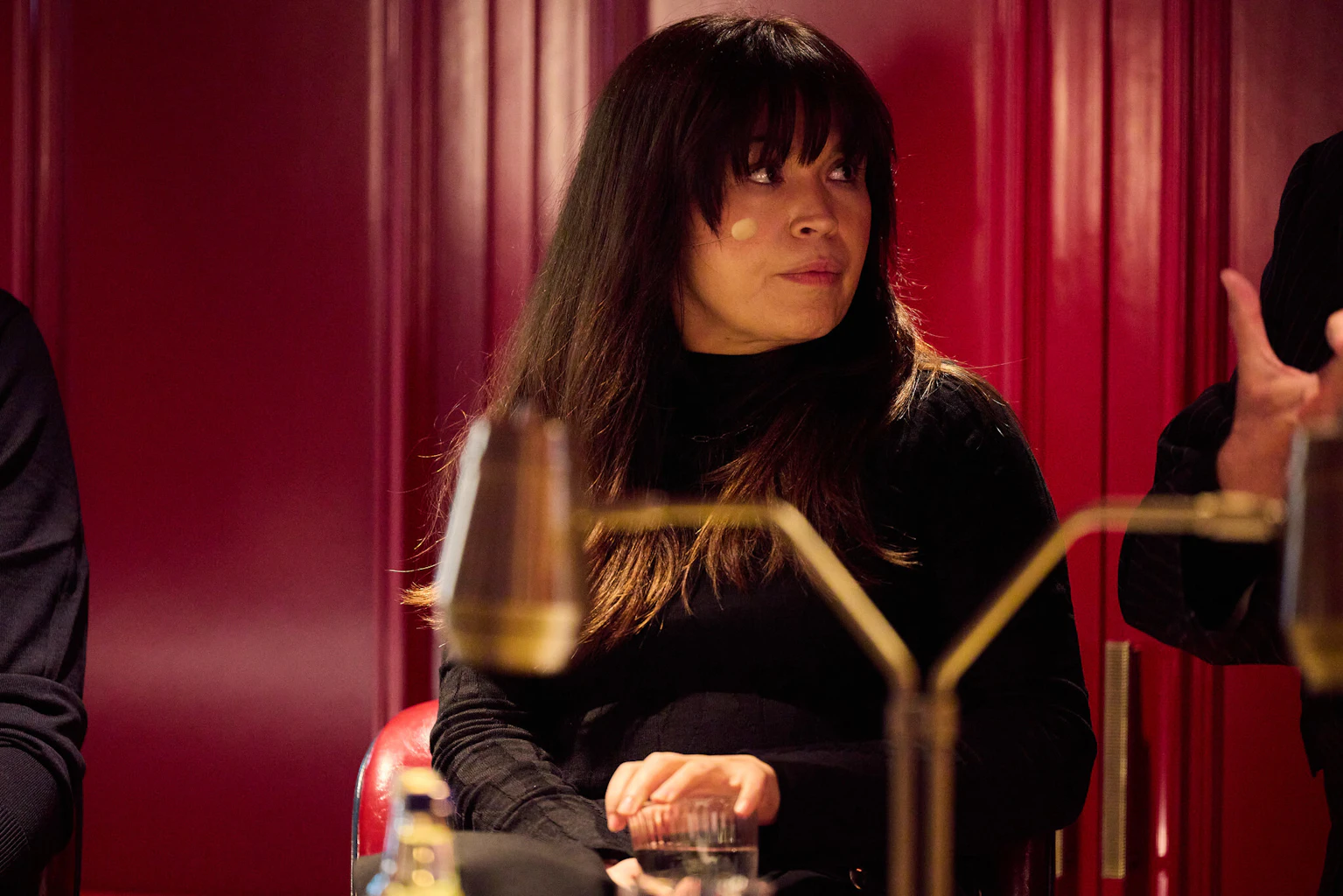
London’s September design calendar brought the industry together once again, creating a city-wide platform for new ideas, materials and conversations around the future of interiors. Throughout the programme, MAWD’s London Design Director Jane Maciver joined designers, editors and hospitality leaders to explore a recurring question: what makes a space feel memorable, authentic and inherently connected to its location?

Across a series of discussions, Jane explored the role that craftsmanship, materiality, heritage and colour play in creating hospitality environments with a genuine sense of identity. For MAWD, material selection goes beyond aesthetics.
The provenance of a material, the way it has been made and how it will age all contribute to the story of a space. This perspective shaped the conversation at Stoneline’s Materiality in Luxury Interiors, where Jane joined Hannah Thomas, Creative Director of YOO, and Stoneline, with the discussion moderated by TF Chan, Director of Collect Art Fair and former editor at Wallpaper*. Together, they explored craftsmanship, authenticity and the role of materiality in creating luxury interiors that feel distinctive, considered and enduring.
Designing Hospitality with a Sense of Place
The month culminated with Under the Covers | The Shepherd Mayfair, offering a first look inside one of London’s anticipated new hotel openings. The conversation explored the realities behind creating a distinctive independent hotel within a highly constrained conservation-area site, from retaining the existing building to balancing contemporary intervention with its historic context.
For Jane, the discussions across London reinforced the importance of designing hospitality from the inside out. Local context, heritage and craftsmanship should not become decorative references applied at the end of a project. They should inform the design language from the beginning. Whether expressed through colour, material, art, furniture or the work of local makers, these layers create spaces that feel rooted in their surroundings rather than transferable from one city to another.
Together, the conversations offered a snapshot of where hospitality design is heading: towards spaces that are more personal, more tactile and more connected to place, while continuing to borrow intelligently from the worlds of residential design, culture and craft.

Redefining the Relationship Between Home and Hospitality
At Design Centre, Chelsea Harbour, Jane joined Kim Partridge for Home from Home, moderated by Hotel Designs editor Sophie Harper. The conversation explored the increasingly fluid relationship between residential and hospitality design, from homes adopting the service, amenity and experiential qualities traditionally associated with hotels, to hospitality spaces becoming warmer, more personal and residential in character.
This cross-pollination is increasingly important to MAWD’s approach. The most successful hospitality environments are not simply places to stay; they create a feeling of belonging. Comfort, intuitive planning, tactile materials and details that reveal themselves gradually can give a hotel the familiarity of a home while retaining the sense of discovery that defines a memorable hospitality experience.