Event
The Future of Hospitality is Felt, Not Just Seen
A perspective on the future of luxury hospitality, exploring how residentially-inspired design, sensory experience, and emotional connection are reshaping guest environments.
Luxury hospitality is changing. As guest expectations evolve, the most compelling environments are moving beyond spectacle and traditional markers of luxury toward experiences that feel more personal, memorable, and deeply connected to how people live. Increasingly, the spaces that resonate most are those shaped not only by visual impact, but by atmosphere, emotion, and the subtle details that stay with people long after they leave.
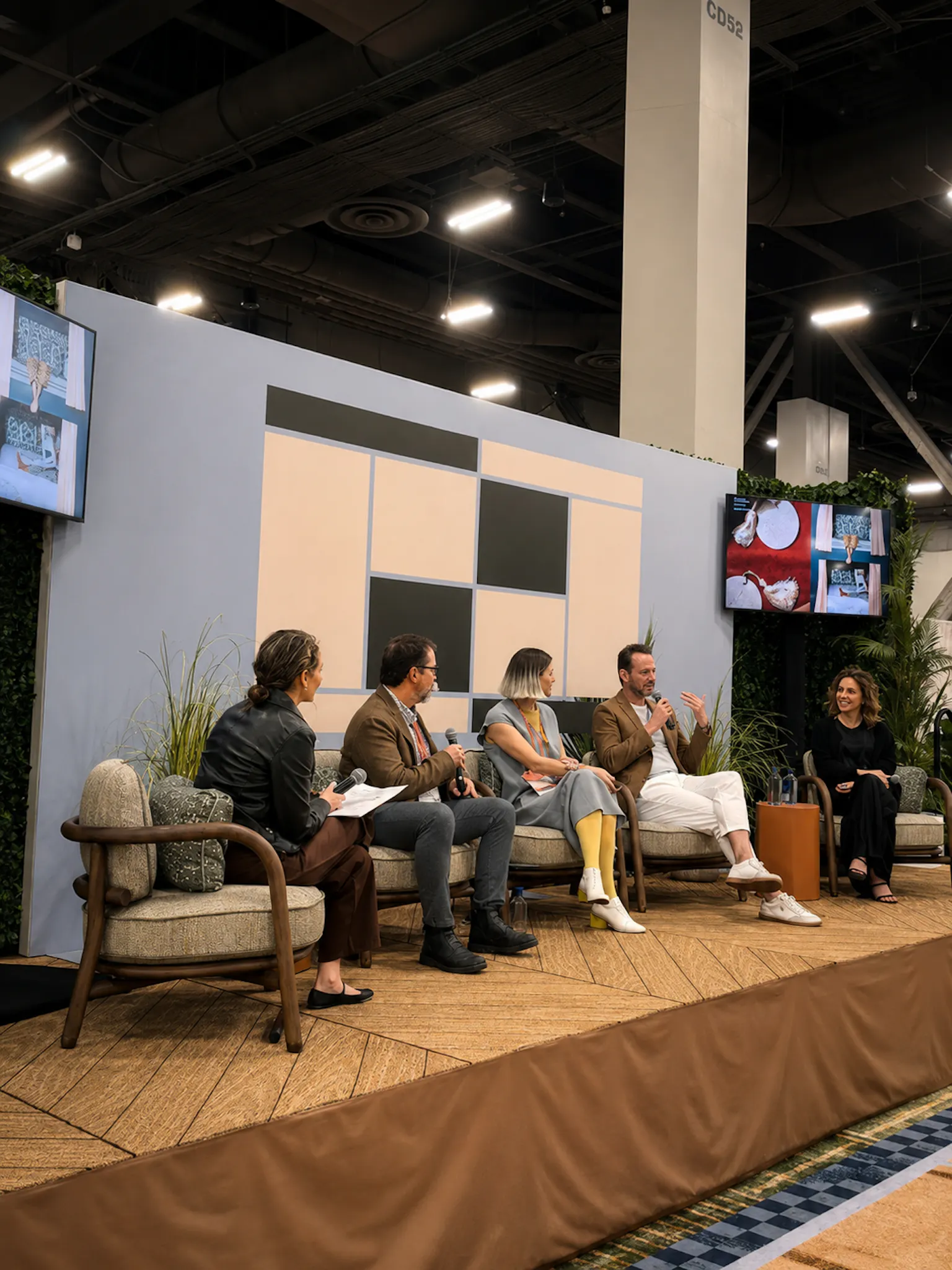
This shift formed the basis of a wider conversation at HD Expo 2026, where Elliot March joined industry peers Michelle K. Gagnon of Bio Alchemy Olfactive, lighting designer Mark Simpson, and Liz Rose of LMNOP to discuss how luxury hospitality is evolving beyond aesthetics alone toward environments defined by experience, memory, and emotional connection.
For us, the discussion reflected a broader shift already taking place across luxury hospitality and branded residences, one where the future of guest experience is increasingly informed by the lived qualities traditionally associated with residential environments.
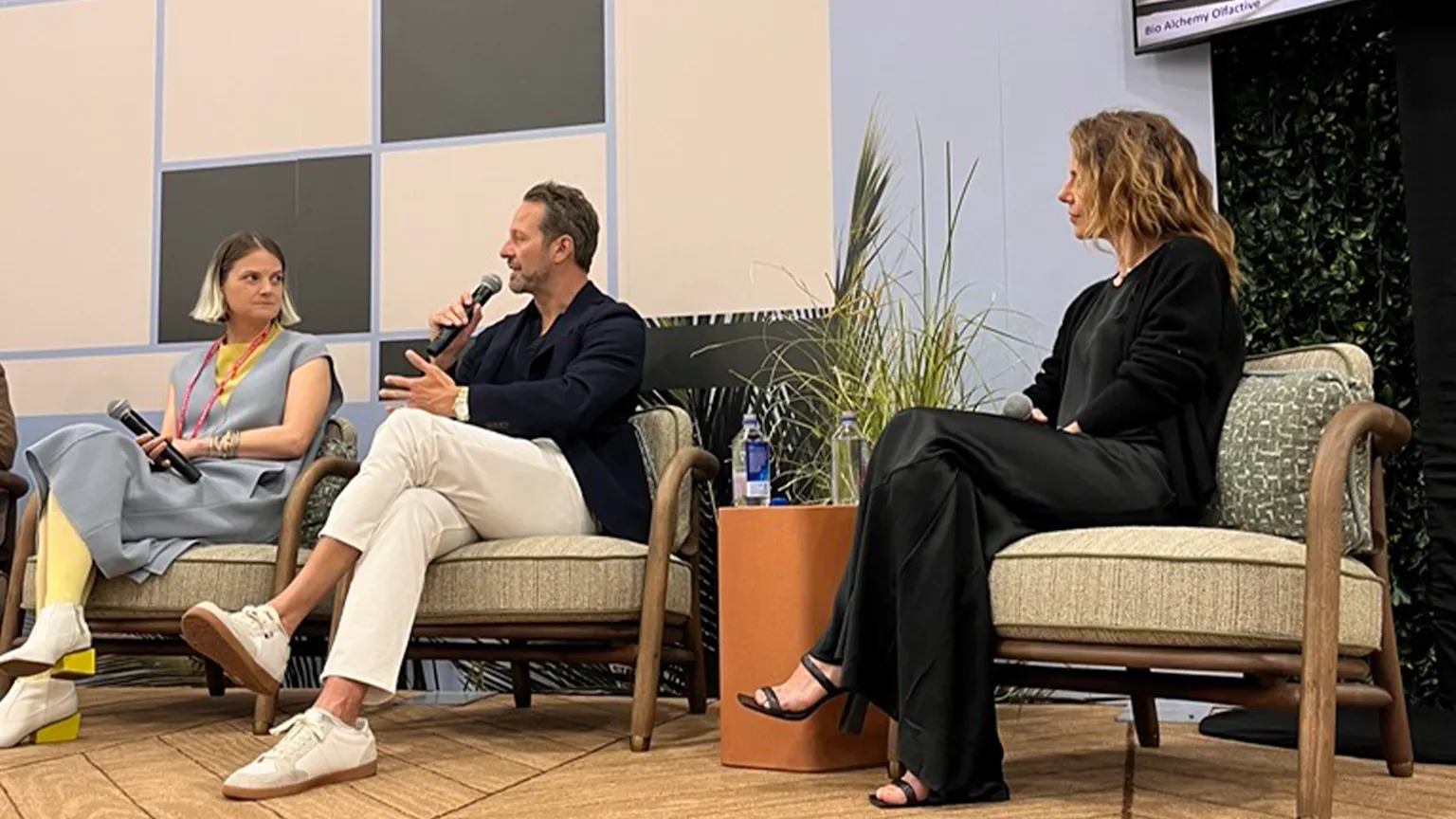
Beyond Aesthetics: The Evolution of Luxury Hospitality
Luxury hospitality and branded residences succeed when they create emotional memory, not simply visual distinction.
For decades, hospitality environments were often measured by scale, opulence, and spectacle. While visual identity remains important, expectations have shifted. Today’s guests seek environments that feel intuitive, comfortable, and emotionally engaging. Spaces are increasingly judged not only by how they look, but by how they are experienced, remembered, and returned to.
This evolution has created an opportunity for a more considered approach to hospitality design, one that moves beyond aesthetics and embraces a fuller understanding of how people inhabit space. These are qualities long understood within residential design.
The most memorable environments often share something deceptively simple: they feel instinctively familiar. They foster ease, comfort, and emotional connection, creating moments of pause, belonging, and recognition that leave a lasting impression.
Grounding Hospitality in Residential Thinking
At MAWD, we believe the future of hospitality lies in environments informed by the warmth and authenticity of residential living. This does not mean replicating the language of home. Rather, it means drawing from a deeper understanding of how people move through space, how comfort is created, and how environments support rest, gathering, restoration, and connection.
Residential design demands close attention to how spaces are lived in over time. It considers rhythm, intimacy, proportion, tactility, and the subtle emotional responses that shape everyday experience. As hospitality evolves, these same qualities are becoming increasingly valuable.
For luxury hospitality and branded residences, this creates an opportunity to move beyond spaces that simply impress toward environments that foster emotional connection, strengthen brand affinity, and create lasting guest memory. We see hospitality not as separate from residential thinking, but as a natural extension of it.
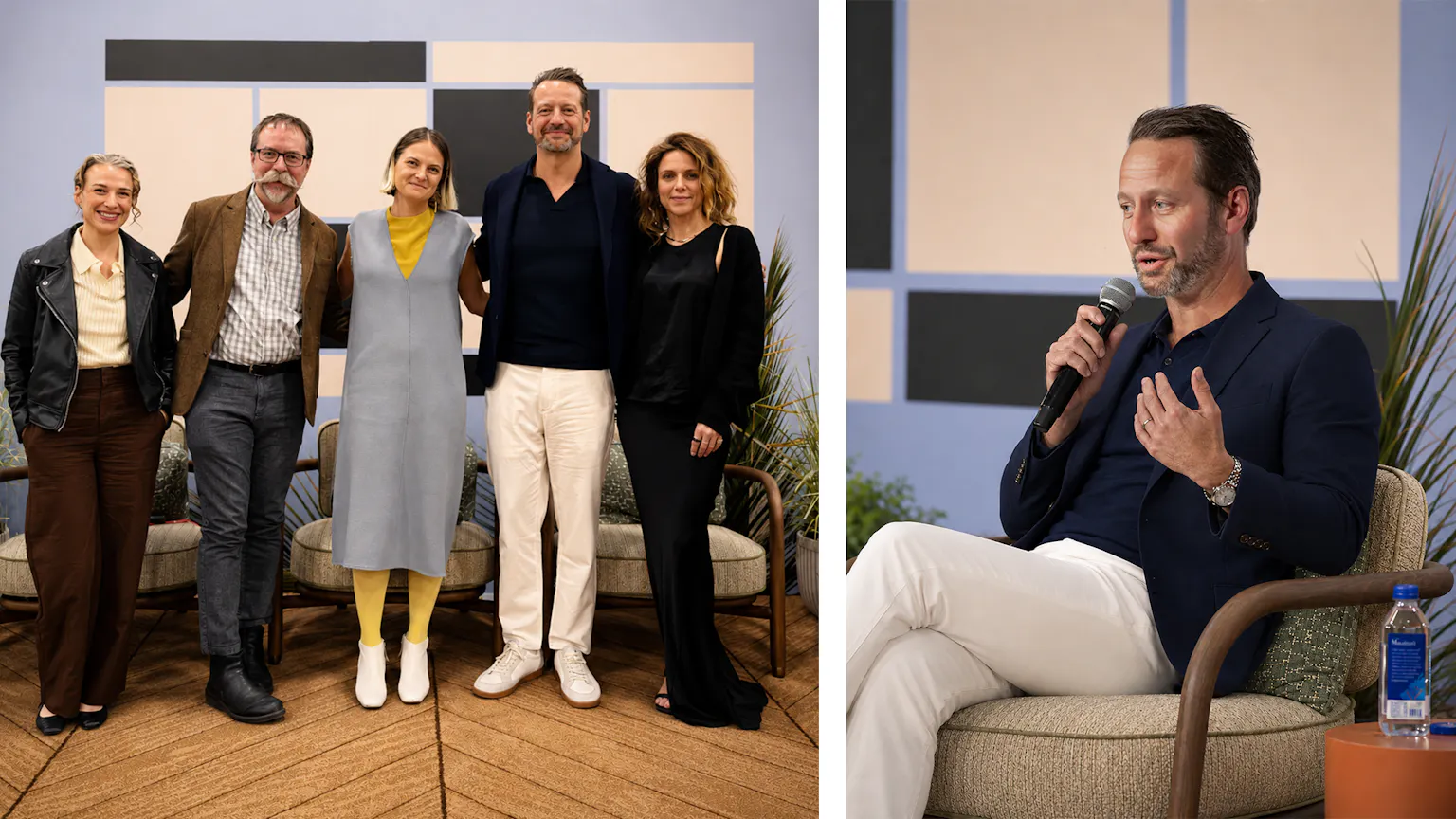
Creating Emotional Memory Through Sensory Design
Some of the most powerful aspects of hospitality design are often the least visible. Memory is shaped through layers of sensory experience working in dialogue. The warmth of lighting at arrival. The familiarity of scent carried through a lobby. The acoustic softness of a lounge. The tactility of materials under hand. The rhythm of movement from public to private space. These details influence how a place is felt, often before it is consciously understood.
At HD Expo, this became a central topic of discussion: how multi-sensory design can become a powerful expression of identity, transforming hospitality environments into sensory signatures that guests associate with a place long after departure. Scent, in particular, offers an extraordinary opportunity to deepen emotional connection. Michelle K. Gagnon, founder of Bio Alchemy Olfactive, approaches aromatic design through an understanding of land, culture, and memory, creating fragrances rooted in botanical storytelling and sensory intention. Our collaboration on The Greenwich by Rafael Viñoly explored scent as an extension of architecture and interiors, developing an olfactive identity designed to reinforce atmosphere and strengthen emotional connection to place.
Lighting plays an equally significant role. Beyond illumination, it shapes mood, rhythm, and perception, influencing how spaces transition across moments of arrival, retreat, gathering, and rest. Together, these invisible layers have the ability to transform an environment from something simply experienced into something remembered. For luxury hospitality brands, these details become more than atmosphere alone. They become expressions of identity, creating continuity between brand, place, and guest experience.
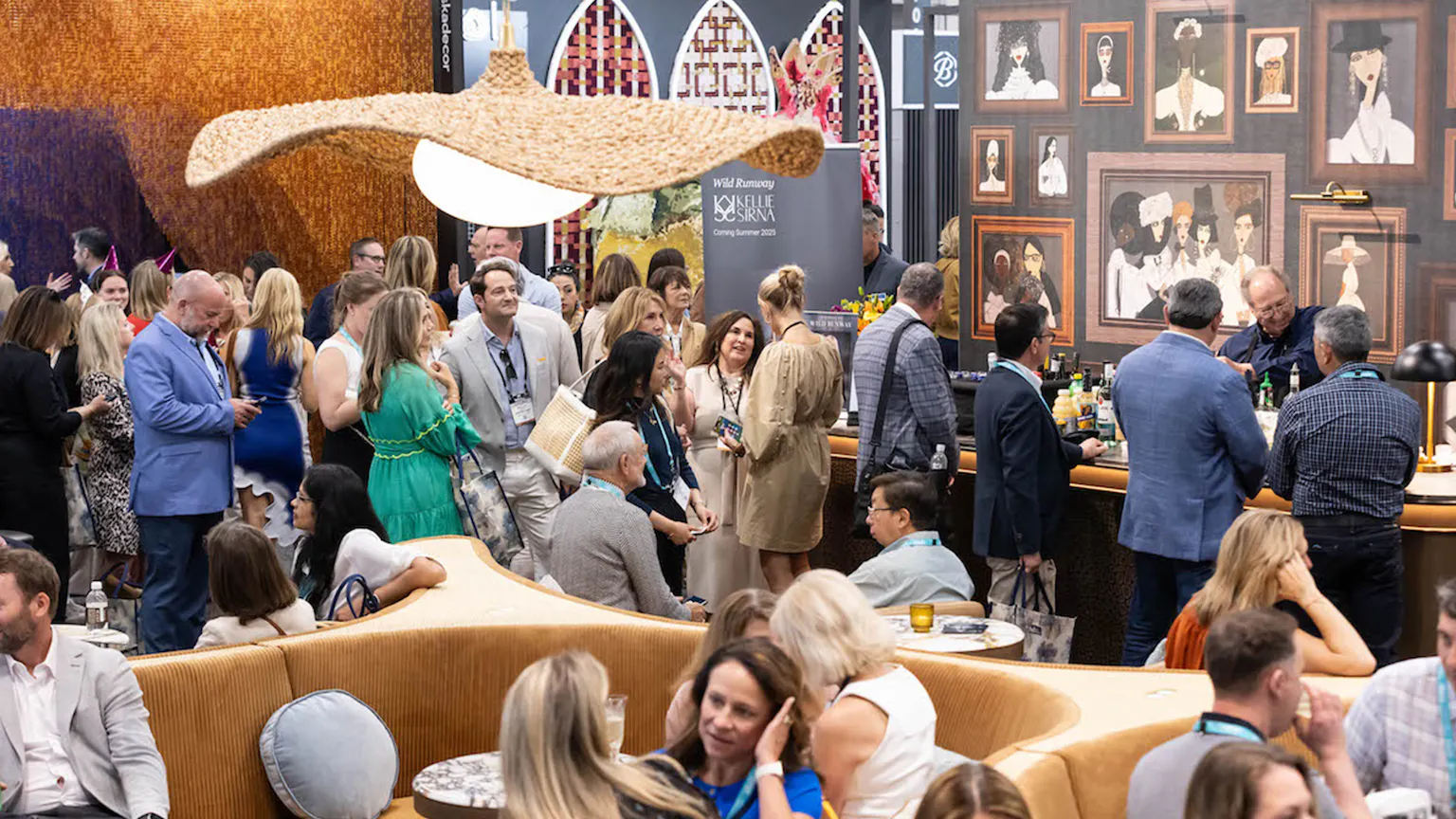
Industry Conversation: HD Expo 2026
HD Expo remains one of the hospitality sector’s most important forums for conversation around changing guest expectations and the future of experience-driven environments. The panel discussion explored how hospitality design is increasingly shaped by emotional connection, sensory identity, and the growing overlap between hospitality and residential expectations. For MAWD, the conversation reinforced an important belief: meaningful hospitality is rarely defined by aesthetics alone. The environments people remember most are often those shaped through care, atmosphere, and a deeper understanding of how people connect with place.
Toward a More Meaningful Future for Hospitality
As luxury hospitality continues to evolve, we see growing value in environments shaped not only by aesthetics, but by the details that influence how a place is experienced, remembered, and returned to. At MAWD, our approach is rooted in residentially-inspired hospitality, shaped by the warmth and authenticity of residential living and translated into sophisticated hospitality environments. We believe the next generation of hospitality will be defined not solely by what guests see, but by what they remember and how a place made them feel long after they have left.